
← All Patient Information

    Sleep Apnoea and Home Sleep Studies

    Obstructive sleep apnoea is common and treatable. RespCAIR offers specialist sleep medicine review and convenient at-home sleep studies, with personalised treatment plans.

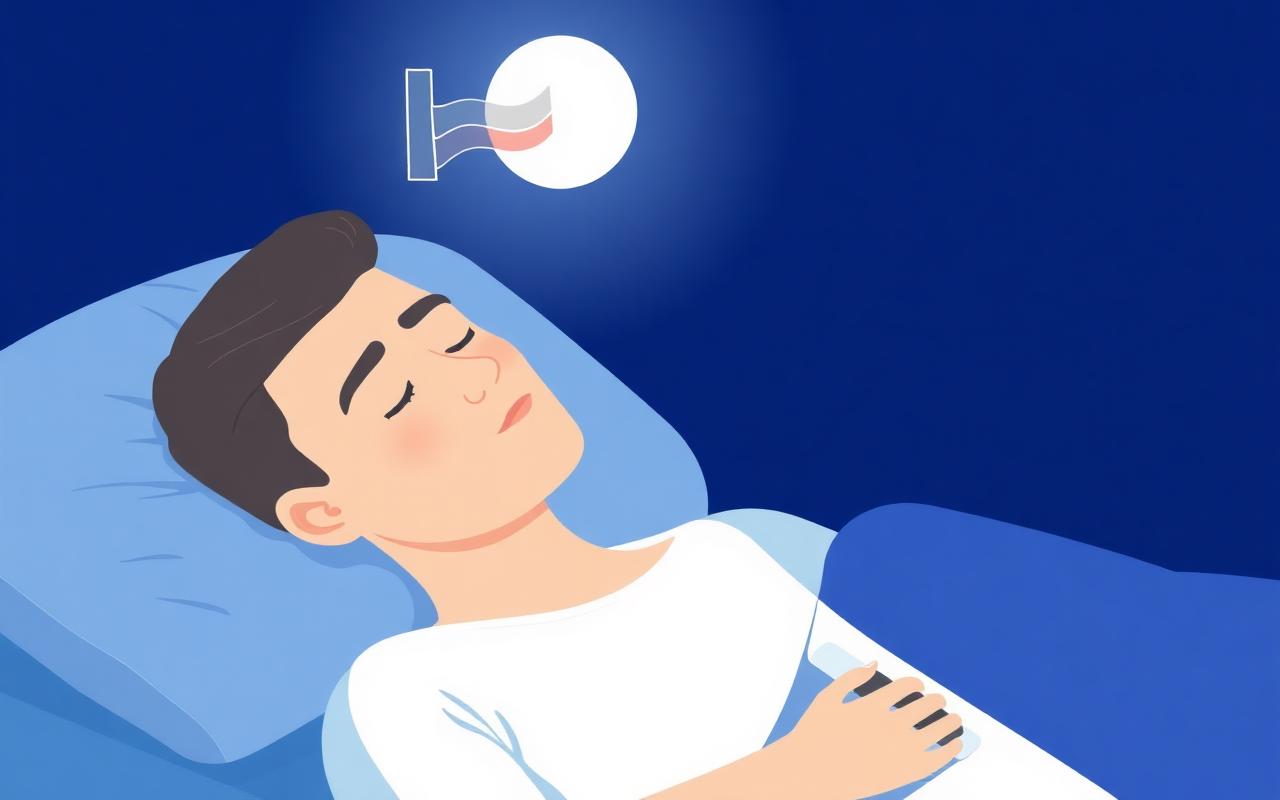
    Sleep Apnoea and Home Sleep Studies illustration

    What is sleep apnoea?

    Obstructive sleep apnoea (OSA) occurs when the upper airway repeatedly narrows or closes during sleep, briefly interrupting breathing. This can disturb sleep quality, lower oxygen levels and increase the risk of high blood pressure, heart disease, stroke and daytime sleepiness. Untreated OSA can also affect concentration, mood and driving safety.

    Common symptoms

    • Loud snoring
    • Witnessed pauses in breathing during sleep
    • Waking unrefreshed despite a full night in bed
    • Excessive daytime sleepiness
    • Morning headaches or dry mouth
    • Difficulty concentrating or low mood
    • Frequent night-time urination

    When to seek specialist review

    • Loud snoring with witnessed apnoeas
    • Excessive daytime sleepiness affecting work or driving
    • High blood pressure that is hard to control
    • Atrial fibrillation, heart failure or stroke
    • Pre-operative assessment for major surgery
    • Failed previous CPAP therapy or device intolerance

    How RespCAIR assesses this condition

    • Specialist sleep medicine consultation (in person or virtual)
    • Home sleep study using WatchPAT technology, posted to your home
    • Specialist scoring and interpretation by a sleep physician
    • In-laboratory sleep study where clinically required
    • CPAP set-up, titration and follow-up care
    • Consideration of mandibular advancement splints and positional therapy

    Treatment and management overview

    Treatment is tailored to the severity of sleep apnoea and individual factors. Options include CPAP therapy, mandibular advancement splints, positional therapy, weight management and treatment of related conditions. Ongoing review ensures therapy remains effective and well tolerated.

    Practical self-management

    • Maintain a regular sleep routine
    • Aim for a healthy weight where appropriate
    • Limit alcohol, particularly in the evening
    • Sleep on your side if positional symptoms are predominant
    • Use your CPAP every night, including naps
    • Attend regular follow-up to optimise therapy
    • Tell your doctor about new daytime sleepiness or driving concerns

    The RespCAIR difference

    RespCAIR combines specialist respiratory and sleep medicine expertise, modern diagnostics, virtual care and patient education to provide timely, personalised respiratory care across Noosa, the Sunshine Coast and Queensland.

    Comprehensive patient guide

    Two-page A4 patient guide — free to read, no login needed.

    Patient Education Leaflet

    Understanding Sleep Apnoea and Home Sleep Studies: A RespCAIR Patient Guide

    Obstructive sleep apnoea (OSA) occurs when the upper airway repeatedly narrows or closes during sleep, briefly interrupting breathing. This can disturb sleep quality, lower oxygen levels and increase the risk of high blood pressure, heart disease, stroke and daytime sleepiness. Untreated OSA can also affect concentration, mood and driving safety.

    Common symptoms

    • Loud snoring
    • Witnessed pauses in breathing during sleep
    • Waking unrefreshed despite a full night in bed
    • Excessive daytime sleepiness
    • Morning headaches or dry mouth
    • Difficulty concentrating or low mood
    • Frequent night-time urination

    When to seek specialist review

    • Loud snoring with witnessed apnoeas
    • Excessive daytime sleepiness affecting work or driving
    • High blood pressure that is hard to control
    • Atrial fibrillation, heart failure or stroke
    • Pre-operative assessment for major surgery
    • Failed previous CPAP therapy or device intolerance
    RespCAIR · Sleep & Pulmonary InstitutePage 1 of 2

    Colour illustrated leaflet

    Two-page A4 patient guide — tap a page to enlarge. No login needed.

    Request this guide from the practice

    Online requests are not yet available. Please call or email our team. GPs and specialists can refer via Medical Objects (MO: 2864666A).

    When to seek urgent care

    Call 000 or attend the nearest emergency department if you experience severe breathlessness, chest pain, blue lips, confusion, collapse, coughing blood, or a severe asthma attack not responding to reliever medication.

    This information is general education only and does not replace personalised medical advice, diagnosis or treatment. Always follow the advice of your GP, respiratory physician or sleep physician.

    For referrers

    Refer via Medical Objects (MO: 2864666A) or contact the RespCAIR practice team. Sleep study, lung function and pulmonary rehabilitation referrals can be sent through the same pathway.