
← All Patient Information

    Lung Nodules and Lung Cancer Pathways

    Most lung nodules are small spots on a CT scan that need careful, structured follow-up. RespCAIR provides specialist assessment and clear pathways for monitoring and onward care if needed.

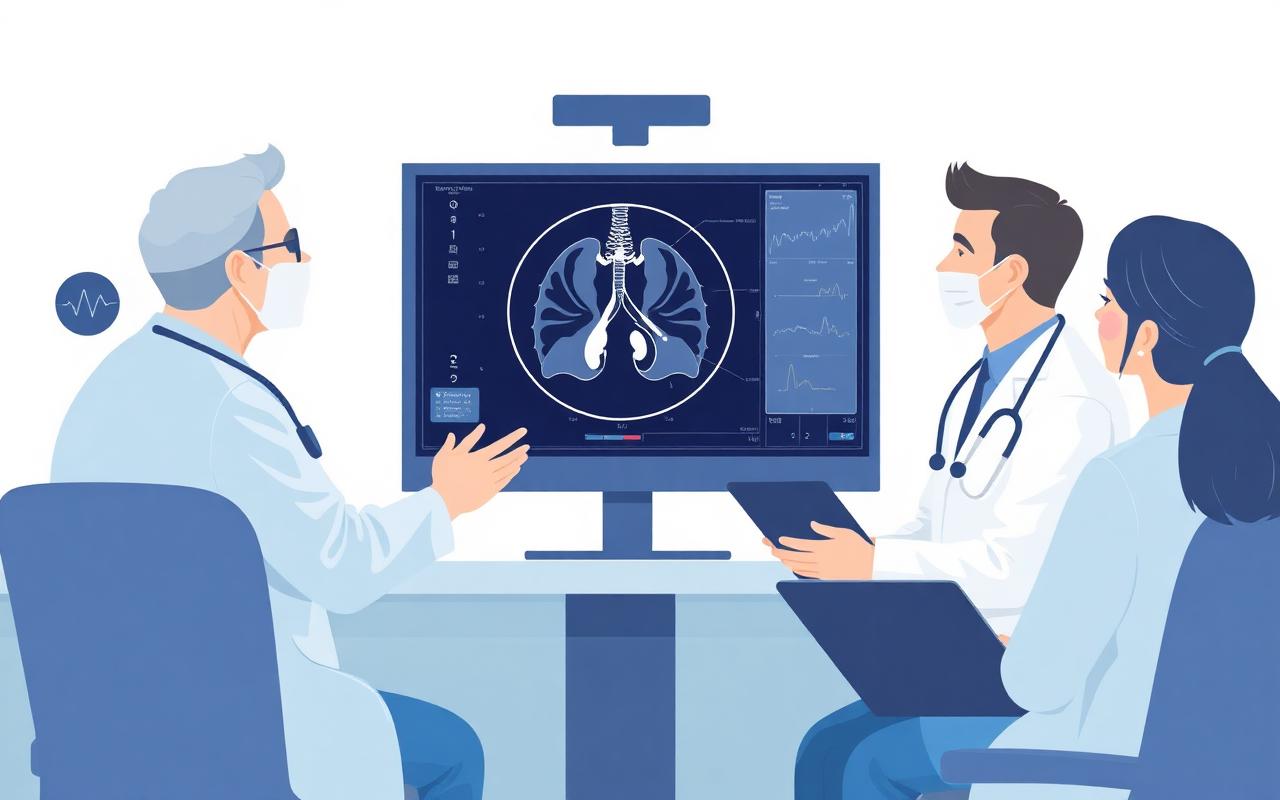
    Lung Nodules and Lung Cancer Pathways illustration

    What is lung nodules?

    A lung nodule is a small round area seen on a chest CT scan. Many nodules are benign, but some require monitoring or further investigation. Specialist assessment uses internationally accepted guidelines to decide the safest next step, balancing the risk of missing something important against unnecessary tests.

    Common symptoms

    • Often no symptoms (nodules are usually found incidentally)
    • Cough that does not settle
    • Coughing up blood
    • Unintentional weight loss
    • Persistent chest discomfort
    • Breathlessness without another clear cause

    When to seek specialist review

    • Lung nodule reported on a CT scan
    • Smoking history and persistent respiratory symptoms
    • Coughing up blood at any time
    • Family history of lung cancer
    • Occupational exposure to asbestos or other carcinogens

    How RespCAIR assesses this condition

    • Specialist respiratory consultation
    • Detailed review of imaging and prior scans where available
    • Risk assessment using validated tools and guidelines
    • Structured interval CT follow-up where appropriate
    • Coordination of biopsy, PET imaging or referral to thoracic teams when indicated
    • Clear communication with you and your GP at every step

    Treatment and management overview

    Most nodules are managed with planned interval CT monitoring. Where further investigation is needed, RespCAIR coordinates with imaging, interventional and surgical teams. Decisions are always made together with you and your GP.

    Practical self-management

    • Attend all planned follow-up scans on time
    • Stop smoking and avoid vaping
    • Tell your GP and specialist about new respiratory symptoms
    • Keep copies of your imaging where possible
    • Maintain general health, exercise and nutrition

    The RespCAIR difference

    RespCAIR combines specialist respiratory and sleep medicine expertise, modern diagnostics, virtual care and patient education to provide timely, personalised respiratory care across Noosa, the Sunshine Coast and Queensland.

    Comprehensive patient guide

    Two-page A4 patient guide — free to read, no login needed.

    Patient Education Leaflet

    Lung Nodules and Lung Cancer Pathways: A RespCAIR Patient Guide

    A lung nodule is a small round area seen on a chest CT scan. Many nodules are benign, but some require monitoring or further investigation. Specialist assessment uses internationally accepted guidelines to decide the safest next step, balancing the risk of missing something important against unnecessary tests.

    Common symptoms

    • Often no symptoms (nodules are usually found incidentally)
    • Cough that does not settle
    • Coughing up blood
    • Unintentional weight loss
    • Persistent chest discomfort
    • Breathlessness without another clear cause

    When to seek specialist review

    • Lung nodule reported on a CT scan
    • Smoking history and persistent respiratory symptoms
    • Coughing up blood at any time
    • Family history of lung cancer
    • Occupational exposure to asbestos or other carcinogens
    RespCAIR · Sleep & Pulmonary InstitutePage 1 of 2

    Colour illustrated leaflet

    Two-page A4 patient guide — tap a page to enlarge. No login needed.

    Request this guide from the practice

    Online requests are not yet available. Please call or email our team. GPs and specialists can refer via Medical Objects (MO: 2864666A).

    When to seek urgent care

    Call 000 or attend the nearest emergency department if you experience severe breathlessness, chest pain, blue lips, confusion, collapse, coughing blood, or a severe asthma attack not responding to reliever medication.

    This information is general education only and does not replace personalised medical advice, diagnosis or treatment. Always follow the advice of your GP, respiratory physician or sleep physician.

    For referrers

    Refer via Medical Objects (MO: 2864666A) or contact the RespCAIR practice team. Sleep study, lung function and pulmonary rehabilitation referrals can be sent through the same pathway.