
← All Patient Information

    Interstitial Lung Disease and Pulmonary Fibrosis

    Interstitial lung disease (ILD) describes a group of conditions affecting the lung tissue. Early specialist assessment, accurate diagnosis and structured monitoring are key.

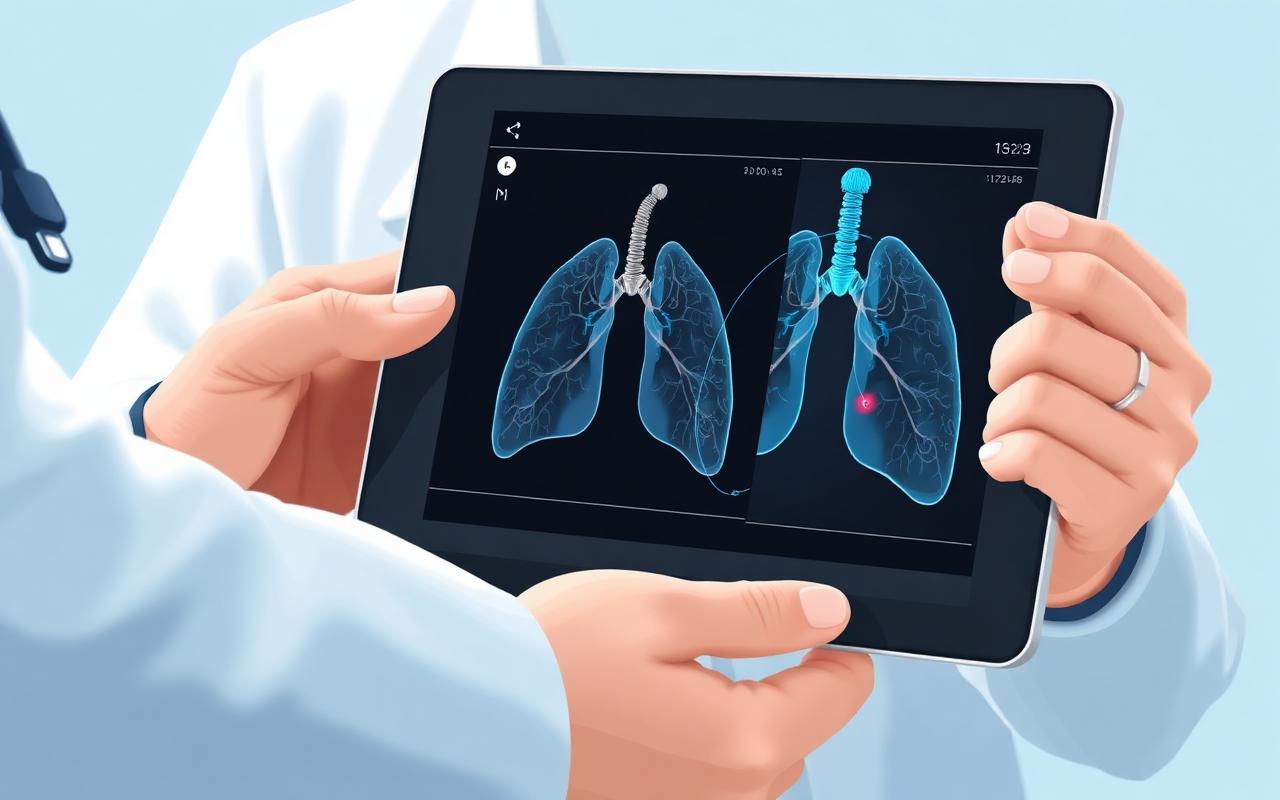
    Interstitial Lung Disease and Pulmonary Fibrosis illustration

    What is ild / pulmonary fibrosis?

    ILD includes a wide range of conditions that affect the lung tissue between the air sacs (the interstitium). Some forms are related to autoimmune conditions, environmental or occupational exposures, or medications. Idiopathic pulmonary fibrosis (IPF) is one specific type. Specialist assessment combines clinical, imaging and lung function information to reach an accurate diagnosis.

    Common symptoms

    • Progressive breathlessness on exertion
    • Persistent dry cough
    • Fatigue
    • Finger clubbing in some forms
    • Sometimes joint pain or rash when linked to autoimmune disease

    When to seek specialist review

    • Unexplained breathlessness lasting more than a few weeks
    • Persistent dry cough with normal initial investigations
    • Abnormal chest imaging suggesting ILD
    • Family history of pulmonary fibrosis
    • Connective tissue or autoimmune disease with chest symptoms

    How RespCAIR assesses this condition

    • Detailed specialist consultation and history
    • High-resolution CT imaging review
    • Comprehensive lung function testing including DLCO
    • Blood tests including autoimmune screening
    • Multidisciplinary discussion where required
    • Structured long-term monitoring

    Treatment and management overview

    Treatment depends on the specific type of ILD. Some forms benefit from immunosuppressive therapy, while certain progressive fibrotic ILDs may be considered for antifibrotic medications. Supportive care including pulmonary rehabilitation, oxygen assessment and vaccination is important across all forms.

    Practical self-management

    • Attend all scheduled monitoring appointments
    • Stay up to date with influenza, pneumococcal and recommended vaccinations
    • Stop smoking and avoid vaping
    • Participate in pulmonary rehabilitation when offered
    • Discuss any new or worsening breathlessness promptly
    • Maintain general health, exercise and nutrition

    The RespCAIR difference

    RespCAIR combines specialist respiratory and sleep medicine expertise, modern diagnostics, virtual care and patient education to provide timely, personalised respiratory care across Noosa, the Sunshine Coast and Queensland.

    Comprehensive patient guide

    Two-page A4 patient guide — free to read, no login needed.

    Patient Education Leaflet

    Interstitial Lung Disease and Pulmonary Fibrosis: A RespCAIR Patient Guide

    ILD includes a wide range of conditions that affect the lung tissue between the air sacs (the interstitium). Some forms are related to autoimmune conditions, environmental or occupational exposures, or medications. Idiopathic pulmonary fibrosis (IPF) is one specific type. Specialist assessment combines clinical, imaging and lung function information to reach an accurate diagnosis.

    Common symptoms

    • Progressive breathlessness on exertion
    • Persistent dry cough
    • Fatigue
    • Finger clubbing in some forms
    • Sometimes joint pain or rash when linked to autoimmune disease

    When to seek specialist review

    • Unexplained breathlessness lasting more than a few weeks
    • Persistent dry cough with normal initial investigations
    • Abnormal chest imaging suggesting ILD
    • Family history of pulmonary fibrosis
    • Connective tissue or autoimmune disease with chest symptoms
    RespCAIR · Sleep & Pulmonary InstitutePage 1 of 2

    Colour illustrated leaflet

    Two-page A4 patient guide — tap a page to enlarge. No login needed.

    Request this guide from the practice

    Online requests are not yet available. Please call or email our team. GPs and specialists can refer via Medical Objects (MO: 2864666A).

    When to seek urgent care

    Call 000 or attend the nearest emergency department if you experience severe breathlessness, chest pain, blue lips, confusion, collapse, coughing blood, or a severe asthma attack not responding to reliever medication.

    This information is general education only and does not replace personalised medical advice, diagnosis or treatment. Always follow the advice of your GP, respiratory physician or sleep physician.

    For referrers

    Refer via Medical Objects (MO: 2864666A) or contact the RespCAIR practice team. Sleep study, lung function and pulmonary rehabilitation referrals can be sent through the same pathway.