
← All Patient Information

    Correct Inhaler Technique

    Even the best inhaler medication will not work well unless it is used correctly. RespCAIR offers specialist inhaler technique review for adults with asthma, COPD and other airway conditions.

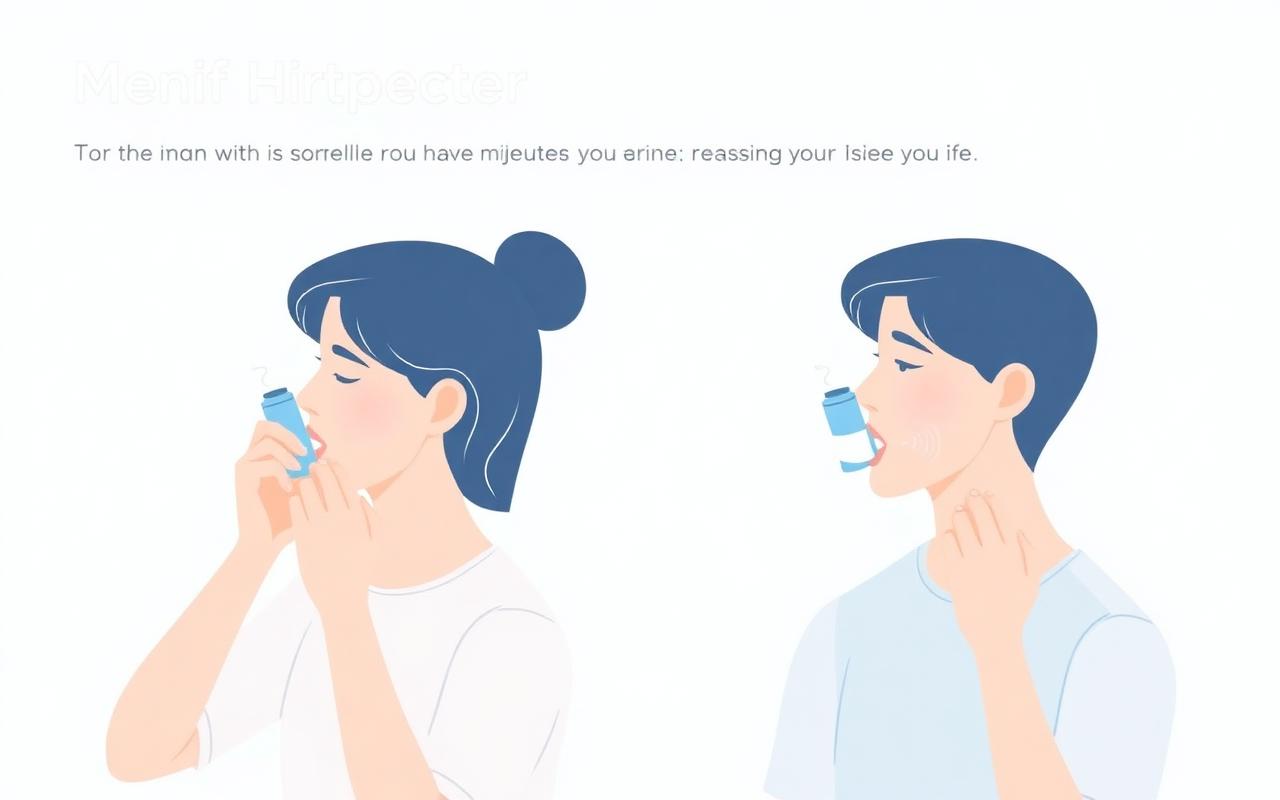
    Correct Inhaler Technique illustration

    What is inhaler technique?

    Inhalers deliver medication directly to the airways, but only if they are used correctly. Studies consistently show that a significant proportion of people use their inhalers incorrectly, which reduces the medication that actually reaches the lungs. Different devices (metered dose inhalers, dry powder inhalers and soft mist inhalers) require slightly different techniques.

    Common symptoms

    • Symptoms not improving despite using your inhaler regularly
    • Coughing or hoarse voice after using a preventer inhaler
    • Uncertainty about how to use a new device
    • Frequent reliever use despite being on a preventer
    • Difficulty coordinating breath and press with a puffer

    When to seek specialist review

    • Newly diagnosed asthma or COPD
    • Recent change in inhaler device or medication
    • Persistent symptoms despite treatment
    • Returning from hospital after a respiratory flare-up
    • Children, older patients or those with arthritis or dexterity issues

    How RespCAIR assesses this condition

    • Specialist or nurse-led inhaler technique review
    • Device-specific demonstration and coaching
    • Spacer fitting and use education for puffers
    • Review of preventer and reliever strategy
    • Coordination with your GP and pharmacist for ongoing reinforcement

    Treatment and management overview

    Treatment is centred on choosing the right device for you and ensuring it is used correctly every time. This may include switching to a different inhaler, adding a spacer or simplifying your regimen. Optimised technique often improves symptoms without needing additional medication.

    Practical self-management

    • Use a spacer with metered dose (puffer) inhalers when prescribed
    • Rinse your mouth and spit out after using preventer inhalers
    • Check your technique at every specialist or GP review
    • Watch trusted device-specific demonstration videos
    • Bring all your inhalers to appointments
    • Replace your inhalers before they expire or run out

    The RespCAIR difference

    RespCAIR combines specialist respiratory and sleep medicine expertise, modern diagnostics, virtual care and patient education to provide timely, personalised respiratory care across Noosa, the Sunshine Coast and Queensland.

    Comprehensive patient guide

    Two-page A4 patient guide — free to read, no login needed.

    Patient Education Leaflet

    Correct Inhaler Technique: A RespCAIR Patient Guide

    Inhalers deliver medication directly to the airways, but only if they are used correctly. Studies consistently show that a significant proportion of people use their inhalers incorrectly, which reduces the medication that actually reaches the lungs. Different devices (metered dose inhalers, dry powder inhalers and soft mist inhalers) require slightly different techniques.

    Common symptoms

    • Symptoms not improving despite using your inhaler regularly
    • Coughing or hoarse voice after using a preventer inhaler
    • Uncertainty about how to use a new device
    • Frequent reliever use despite being on a preventer
    • Difficulty coordinating breath and press with a puffer

    When to seek specialist review

    • Newly diagnosed asthma or COPD
    • Recent change in inhaler device or medication
    • Persistent symptoms despite treatment
    • Returning from hospital after a respiratory flare-up
    • Children, older patients or those with arthritis or dexterity issues
    RespCAIR · Sleep & Pulmonary InstitutePage 1 of 2

    Colour illustrated leaflet

    One-page A4 patient guide — tap it to enlarge. No login needed.

    Request this guide from the practice

    Online requests are not yet available. Please call or email our team. GPs and specialists can refer via Medical Objects (MO: 2864666A).

    When to seek urgent care

    Call 000 or attend the nearest emergency department if you experience severe breathlessness, chest pain, blue lips, confusion, collapse, coughing blood, or a severe asthma attack not responding to reliever medication.

    This information is general education only and does not replace personalised medical advice, diagnosis or treatment. Always follow the advice of your GP, respiratory physician or sleep physician.

    For referrers

    Refer via Medical Objects (MO: 2864666A) or contact the RespCAIR practice team. Sleep study, lung function and pulmonary rehabilitation referrals can be sent through the same pathway.