
← All Patient Information

    Asthma

    Asthma is a common, treatable airway condition. With the right diagnosis, personalised treatment and good inhaler technique, most people can live well and stay active.

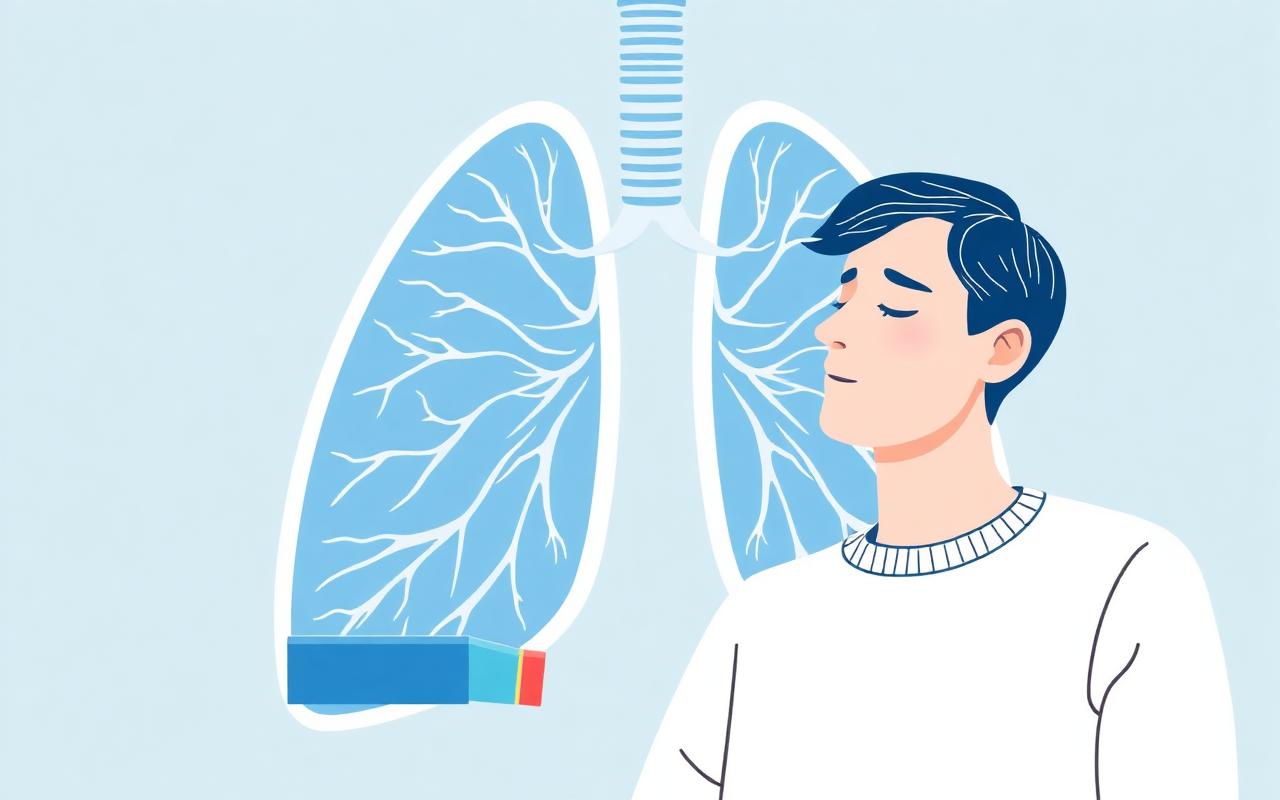
    Asthma illustration

    What is asthma?

    Asthma is a chronic condition in which the airways become inflamed and narrowed, making it harder to move air in and out of the lungs. Symptoms can vary day to day and are often triggered by viral infections, allergens, exercise, cold air or irritants such as smoke. Modern specialist care focuses on identifying your specific asthma pattern (or phenotype) and tailoring treatment accordingly.

    Common symptoms

    • Wheezing, especially on breathing out
    • Cough, often worse at night or with exercise
    • Chest tightness
    • Shortness of breath
    • Symptoms triggered by colds, allergens, exercise or cold air
    • Needing your reliever inhaler more than twice a week

    When to seek specialist review

    • Symptoms not well controlled despite regular preventer therapy
    • Frequent reliever use, night-time waking or repeated flare-ups
    • Hospital or emergency department visits for asthma
    • Possible severe or allergic asthma being considered for biologic therapy
    • Uncertainty about diagnosis or recurring chest symptoms

    How RespCAIR assesses this condition

    • Specialist respiratory consultation (in person or virtual)
    • Spirometry and bronchodilator response testing
    • Detailed lung function testing where indicated
    • Allergy and biomarker assessment for precision asthma care
    • Inhaler technique and adherence review
    • Personalised written asthma action plan

    Treatment and management overview

    Most asthma is managed with inhaled preventer therapy, with reliever medication for symptoms. Severe or poorly controlled asthma may benefit from precision treatments such as biologic therapy, guided by phenotyping and biomarker testing. Treatment is always individualised by your specialist in partnership with your GP.

    Practical self-management

    • Take preventer inhalers regularly, even when feeling well
    • Review your inhaler technique at least once a year
    • Recognise flare-up triggers and early warning signs
    • Follow your written asthma action plan
    • Stay up to date with influenza and recommended vaccinations
    • Avoid smoking and vaping, and reduce exposure to known triggers
    • Seek prompt review if reliever use increases or symptoms worsen

    The RespCAIR difference

    RespCAIR combines specialist respiratory and sleep medicine expertise, modern diagnostics, virtual care and patient education to provide timely, personalised respiratory care across Noosa, the Sunshine Coast and Queensland.

    Comprehensive patient guide

    Two-page A4 patient guide — free to read, no login needed.

    Patient Education Leaflet

    Understanding Asthma: A RespCAIR Patient Guide

    Asthma is a chronic condition in which the airways become inflamed and narrowed, making it harder to move air in and out of the lungs. Symptoms can vary day to day and are often triggered by viral infections, allergens, exercise, cold air or irritants such as smoke. Modern specialist care focuses on identifying your specific asthma pattern (or phenotype) and tailoring treatment accordingly.

    Common symptoms

    • Wheezing, especially on breathing out
    • Cough, often worse at night or with exercise
    • Chest tightness
    • Shortness of breath
    • Symptoms triggered by colds, allergens, exercise or cold air
    • Needing your reliever inhaler more than twice a week

    When to seek specialist review

    • Symptoms not well controlled despite regular preventer therapy
    • Frequent reliever use, night-time waking or repeated flare-ups
    • Hospital or emergency department visits for asthma
    • Possible severe or allergic asthma being considered for biologic therapy
    • Uncertainty about diagnosis or recurring chest symptoms
    RespCAIR · Sleep & Pulmonary InstitutePage 1 of 2

    Colour illustrated leaflet

    Two-page A4 patient guide — tap a page to enlarge. No login needed.

    Request this guide from the practice

    Online requests are not yet available. Please call or email our team. GPs and specialists can refer via Medical Objects (MO: 2864666A).

    When to seek urgent care

    Call 000 or attend the nearest emergency department if you experience severe breathlessness, chest pain, blue lips, confusion, collapse, coughing blood, or a severe asthma attack not responding to reliever medication.

    This information is general education only and does not replace personalised medical advice, diagnosis or treatment. Always follow the advice of your GP, respiratory physician or sleep physician.

    For referrers

    Refer via Medical Objects (MO: 2864666A) or contact the RespCAIR practice team. Sleep study, lung function and pulmonary rehabilitation referrals can be sent through the same pathway.